

stylish bathroom mirrors
Understanding Dial Bore Gauges Precision Measurement in Engineering When discussing precision measurement tools used in engineering and manufacturing, the dial bore gauge stands out as an essential instrument. This tool is used to measure internal diameters of holes and cylinders with a high degree of accuracy. It plays a critical role in ensuring that components meet precise specifications, which is vital in industries such as automotive, aerospace, and machinery manufacturing. What is a Dial Bore Gauge? A dial bore gauge is a specialized measuring instrument equipped with a dial indicator and expandable arms. The dial indicator displays the measurement on a graduated scale, making it easy for operators to read and interpret results. The design of the gauge allows it to fit into a variety of hole sizes, giving it versatility in different applications. The primary components of a dial bore gauge include the following - Body The main structure of the gauge provides stability and support. - Measuring tips These are inserted into the bore and make contact with the internal surface. They come in various sizes to accommodate different bore diameters. - Dial indicator This is the display unit that shows the measurements taken by the gauge. It typically shows measurements in millimeters or inches. - Adjustment mechanism This feature allows for the calibration of the gauge to ensure accurate readings. How Does a Dial Bore Gauge Work? Using a dial bore gauge is a straightforward process that requires a few steps to ensure accuracy 1. Preparation Before measurement, the bore should be clean and free from debris. This step is crucial since any dirt or residue can lead to inaccurate readings. 2. Insertion of the Gauge The measuring tips of the gauge are inserted into the bore until they make contact with the wall. 3. Adjustment The gauge is then adjusted to ensure it makes full contact with the surface of the bore. This may involve pushing the arms outward to fit snugly against the walls. 4. Taking a Reading Once set, the operator reads the dial indicator to determine the internal diameter. The measurement can then be compared to the desired specifications. The precision of a dial bore gauge is affected by several factors, including the quality of the instrument, the skill of the operator, and the environmental conditions in which measurements are taken. Therefore, regular calibration and proper handling are essential to maintain accuracy . dial bore gauge Applications of Dial Bore Gauges Dial bore gauges are utilized in various applications across different industries - Engine Manufacturing In the automotive industry, ensuring that cylinder bores maintain precise dimensions is vital for engine performance. Dial bore gauges help in measuring these to ensure proper fitment of pistons and rings. - Aerospace Components Given the rigorous standards required in aerospace engineering, dial bore gauges are used to measure the internal diameters of components such as fuel lines and engine casings. - Machinery and Tooling In manufacturing setups, dial bore gauges are essential for checking the dimensions of tools and machinery parts to ensure they fit together correctly and operate efficiently. Advantages of Using Dial Bore Gauges One of the key benefits of dial bore gauges is their ability to deliver precise measurements quickly. This efficiency is crucial in production environments where time and accuracy are paramount. Additionally, these gauges are relatively easy to operate, making them accessible to technicians and engineers alike. Moreover, dial bore gauges offer an advantage over electronic measurement tools in certain settings. They do not require batteries or electronic components, which can be advantageous in environments where electrical interference may pose a problem. Conclusion In conclusion, dial bore gauges play a pivotal role in achieving precision in engineering and manufacturing. Their design and functionality enable accurate measurement of internal diameters, ensuring that components meet required specifications. As technology advances, the importance of precise measurement remains constant, and the dial bore gauge will continue to be an invaluable tool in various industries. Whether for quality control, manufacturing, or assembly, understanding and utilizing dial bore gauges effectively can significantly enhance the quality and reliability of engineered products.
about
stylish bathroom mirrors
How to Replace a Water Valve A Step-by-Step Guide Water valves are essential components of your plumbing system, controlling the flow of water to various areas of your home. Over time, these valves can wear out, leading to leaks or reduced water pressure. Replacing a water valve may seem daunting, but with the right tools and a bit of knowledge, you can easily do it yourself. This guide will walk you through the steps to replace a water valve safely and efficiently. Tools and Materials Needed Before starting, gather the necessary tools and materials - New water valve (ensure it matches the size and type of your existing valve) - Adjustable wrench or pliers - Pipe wrench (if necessary) - Pipe cutter or hacksaw (if you need to cut the pipe) - Plumber's tape (Teflon tape) - Bucket or towel (to catch any water that may spill) - Safety goggles - Gloves Step 1 Turn Off the Water Supply The first and most crucial step is to turn off the water supply to the valve you intend to replace. Locate the main water shut-off valve for your home, typically found near where the water line enters the house. Turn it clockwise to close it, and open a faucet or two to relieve any remaining pressure in the pipes. Step 2 Drain the System Next, you should drain the water from the pipes to prevent any spills during the valve replacement. Open faucets in the vicinity of the valve you are replacing, including any nearby sinks or tubs. If the valve is in a location where there is considerable water, place a bucket under the valve to catch any dripping water. Step 3 Remove the Old Valve Using an adjustable wrench or pliers, grip the old valve and start loosening it from the pipe. Depending on how it was installed, you may require a pipe wrench for additional leverage. Be cautious and ensure that you are turning the valve in the correct direction (left to loosen). If the valve is stuck, consider applying a penetrating oil and waiting a few minutes before trying again. how to replace water valve Once the valve is loose, carefully remove it from the pipe. If the valve is soldered onto the pipe, you might need a pipe cutter or hacksaw to cut the pipe and remove the valve. Make sure to wear safety goggles and gloves during this process to protect yourself. Step 4 Prepare for the New Valve With the old valve removed, inspect the pipe for any damage or corrosion. If the pipe threads are damaged, you may need to clean them or use a thread repair kit. Wrap plumber's tape around the threads of the pipe to ensure a watertight seal when you install the new valve. Step 5 Install the New Valve Position the new valve onto the pipe and start threading it on gently. Ensure you are aligning it properly to avoid cross-threading, which can cause leaks. Use your adjustable wrench to tighten the valve securely, but be careful not to overtighten, as this can damage the valve or the pipe. Step 6 Turn the Water Supply Back On With the new valve installed, it’s time to restore the water supply. Go back to the main shut-off valve and turn it counterclockwise to open it. Then, check the newly installed valve for leaks by observing any water movement. Open faucets in your home to allow air to escape and create a proper flow in the plumbing system. Step 7 Check for Leaks and Final Adjustments Once the water supply is on, inspect the area around the new valve for any signs of leaking. If you notice any drips, it may be necessary to tighten the valve slightly or reapply plumber's tape to ensure a secure seal. Conclusion Replacing a water valve may seem intimidating, but it's a manageable DIY project that can save you time and money in plumbing repairs. By following these steps and taking the necessary precautions, you can ensure your water system operates efficiently and without leaks. If you encounter any complications or feel uncertain at any point, don't hesitate to call a professional plumber for assistance. Remember, safety first!
-

High quality industrial productsagement

High quality industrial products
View Details -

Meet the diverse needs of customers

Meet the diverse needs of customers
View Details -

Strict quality control

Strict quality control
View Details -

Top raw materials

Top raw materials
View Details -

Trusted supplier

Trusted supplier
View Details
Our application


news and information
water flow control valve types
The innovative technology behind water control valves has dramatically revolutionized the way indust
Water Hose Backflow Prevention Valve Inspection and Maintenance Guide
The Importance of Water Hose Check Valves Water hose check valves play a crucial role in hydraulic s
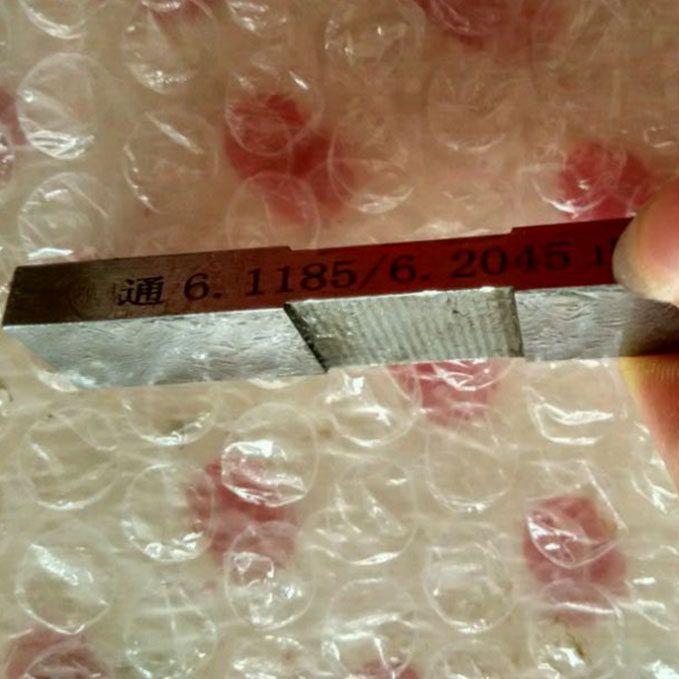
Welding Inspection Guide for Accurate Measurement and Quality Assurance
The Importance of Welding Inspection Rulers in Quality Control Welding plays a crucial role in the m
 English